Virtual Training
Virtual reality training to improve productivity and workplace safety
What is Virtual Training?
Virtual training is a learning method that leverages virtual reality (VR) to offer immersive and realistic experiences to employees. Through interactive simulations, users can face real situations from the work environment without being exposed to physical or logistical risks.
This training modality allows companies to offer their teams practical, flexible, and personalized training, adapted to different areas such as operations, health and safety (HSE), and onboarding processes. By recreating real scenarios with high-quality visual fidelity, employees acquire practical skills in a controlled and safe environment.
Furthermore, virtual training is accessible from anywhere and at any time, making it an ideal option for companies with distributed teams or flexible schedules.
Visual fidelity that makes a difference
At Innoarea Projects, we specialize in developing virtual training experiences with extremely high visual fidelity. Our 3D environments accurately replicate real work scenarios, offering textures, lighting, and details that immerse the user in a unique experience. This visual quality not only improves immersion but also facilitates the transfer of knowledge to the real environment.

Some of the clients who have already trusted Innoarea products


Why use Virtual Training in your company?
Cost and Time Reduction
Eliminates the need for physical facilities, printed materials, and travel, optimizing the investment in training.
Higher Knowledge Retention
Immersive experiences allow employees to better understand content and remember information more effectively.
Increased Safety
Allows practicing critical procedures or risk situations in a safe virtual environment, minimizing workplace accidents.
Accessibility and Flexibility
Employees can access training sessions whenever they need them, from any compatible device.

Proprietary progress tracking platform
- Real-time monitoring: Review the performance and evolution of each employee.
- Customized reports: Identify areas for improvement and adapt training to the needs of each participant.
- Certification and compliance: Ensure that users meet established objectives and obtain internal certifications.
- Centralized user management: Easily manage groups of employees, assign courses, and control access to content from a single control panel.
- Learning history: Access the complete record of the training performed by each user, allowing for long-term tracking and facilitating internal audits.
Benefits of Virtual Training in key areas
Discover the advantages and practical applications of using virtual reality in Operations, HSE (Health, Safety, and Environment), and Onboarding:
Operations
Optimize industrial and operational processes with virtual reality simulations that allow employees to train in controlled and realistic environments. Immersive training reduces learning times, improves operational efficiency, and minimizes errors in the execution of complex tasks.
HSE
Safety and risk prevention training through virtual reality allows employees to face critical situations without being exposed to real dangers. Through highly detailed scenarios, workers can practice emergency protocols, identify risks in the work environment, and improve their reaction time to incidents, contributing to compliance with international HSE regulations and reducing the number of workplace accidents.
Onboarding
Streamline the integration of new employees with interactive virtual onboarding. New talent can become familiar with facilities, procedures, and work tools in a digital environment before physically starting their tasks. This methodology accelerates adaptation, improves knowledge retention, and allows for more effective integration within the organization.
Our success stories

360º virtual tour of the Nuovvo factory
Virtual reality experience that transports users to Nuovvo’s “headquarters”. A digital tour that provides first-hand insight into the production process to strengthen the brand’s marketing and communication strategy.

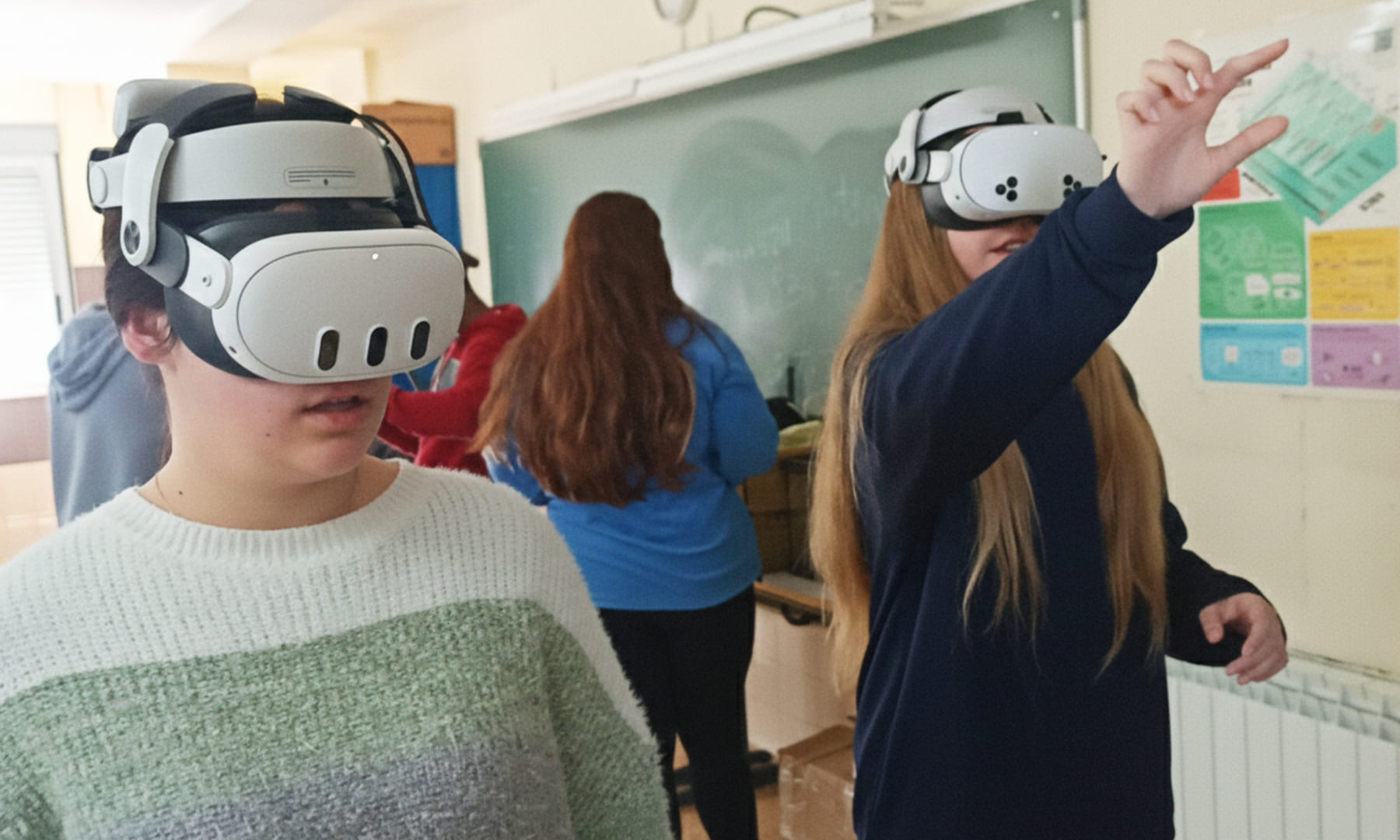
Educational transformation with Roomote in schools
We visited the San Antonio de Padua II Diocesan School to give an in-person workshop on the future of the IT sector. Through a practical session, students discovered how Roomote enables them to work and collaborate in virtual spaces.


VR experience for The Next Fifty event
As part of IE University’s 50th anniversary celebrations, we developed a virtual reality experience that allows users to travel three decades into the future to take on emerging professional roles.


360º interactive content for vocational training centres
Technical assistance and development of interactive content for immersive rooms, including 360º recordings, interactive 3D environments and enriched multimedia, as well as teacher training and technical support.


Construfoc: Fires in virtual realit
VR application that simulates different fire scenarios and allows users to practice the correct use of real fire extinguishers thanks to physical adapters.


Immersive training for the Catholic University of Valencia
Training where Nursing students learn to treat ulcers in a simulated clinical environment, with realistic models and treatment flow.


VRProjectX for Vocational Training at Xabec
Virtual reality solution for Xabec that adapts its Projectxs methodology to immersive environments, accessible from PC or VR and connected to Moodle for real-time educational tracking.

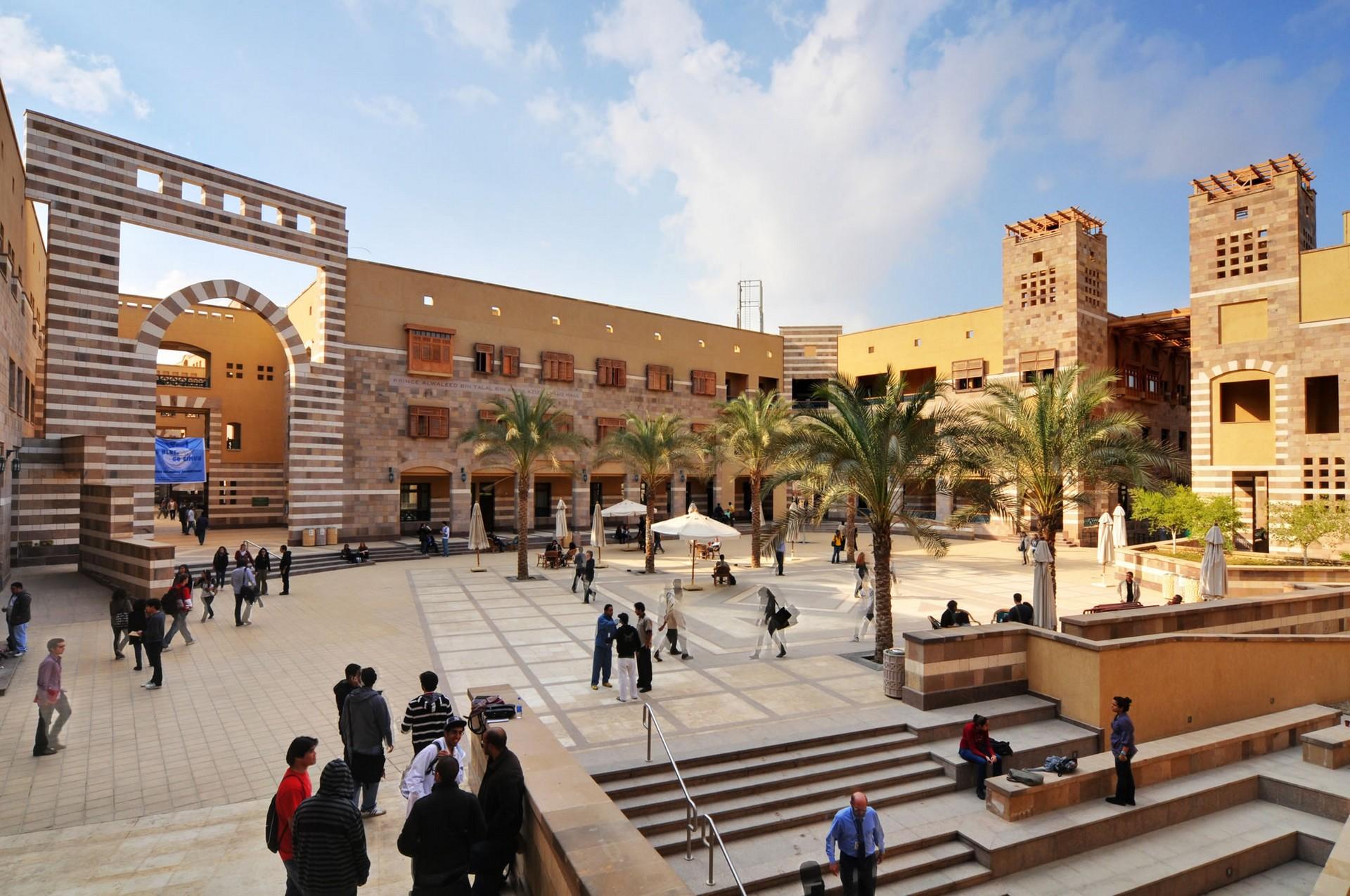
AUC automates its document management at university scale
The American University in Cairo digitized and automated its administrative processes with Laserfiche, reducing processing times, eliminating paper, and improving the student experience. A model of digital transformation at the university level.

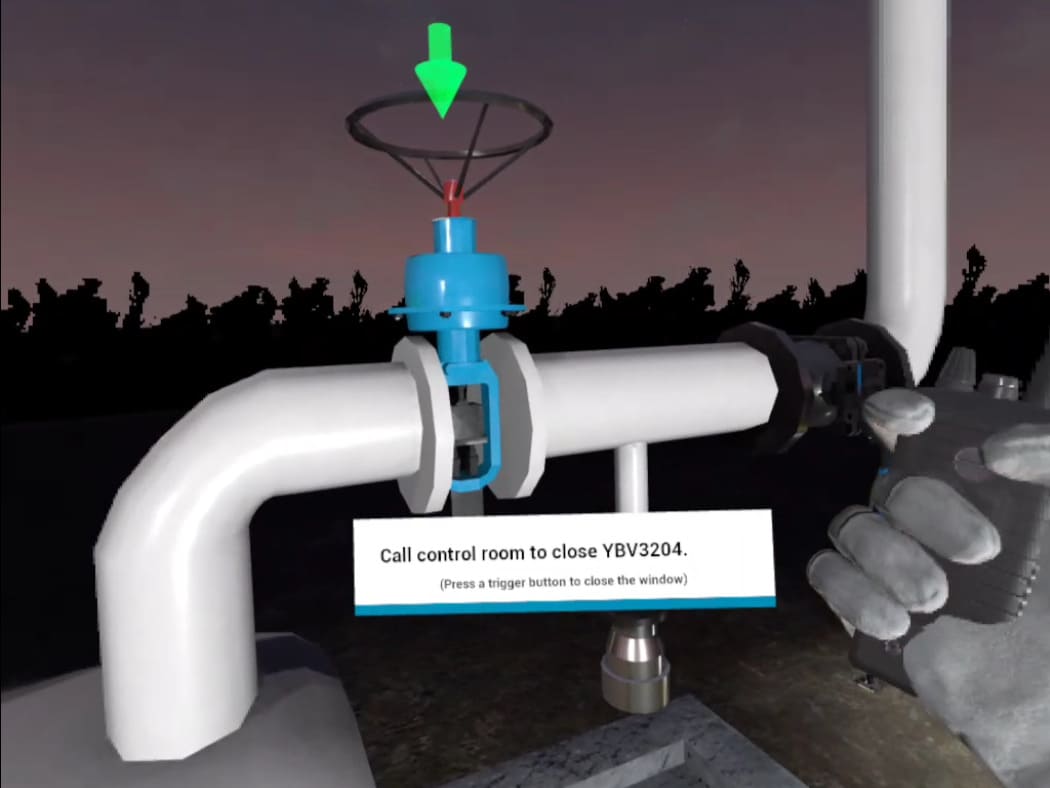
Gas tank simulation for Spirit Energy
Simulation for Spirit Energy that enhances technical training in gas tank maintenance, increasing safety and reducing operational errors.