The challenge: Training qualified personnel in remote and high-risk environments
Ørsted
A world-leading offshore wind energy company, dedicated to transforming the way the world is powered through sustainable solutions.

The solution: An immersive technical and logistical training ecosystem
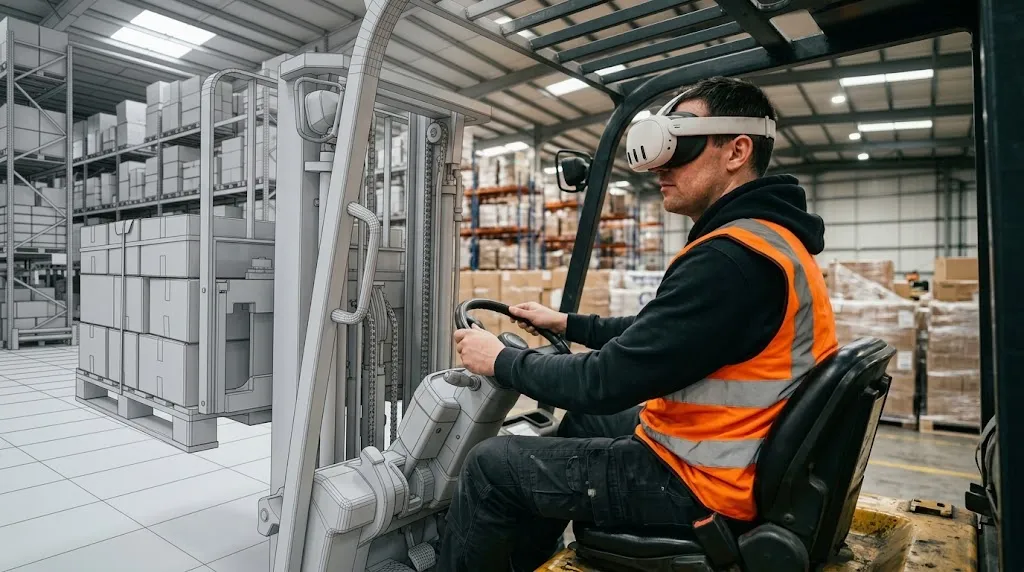
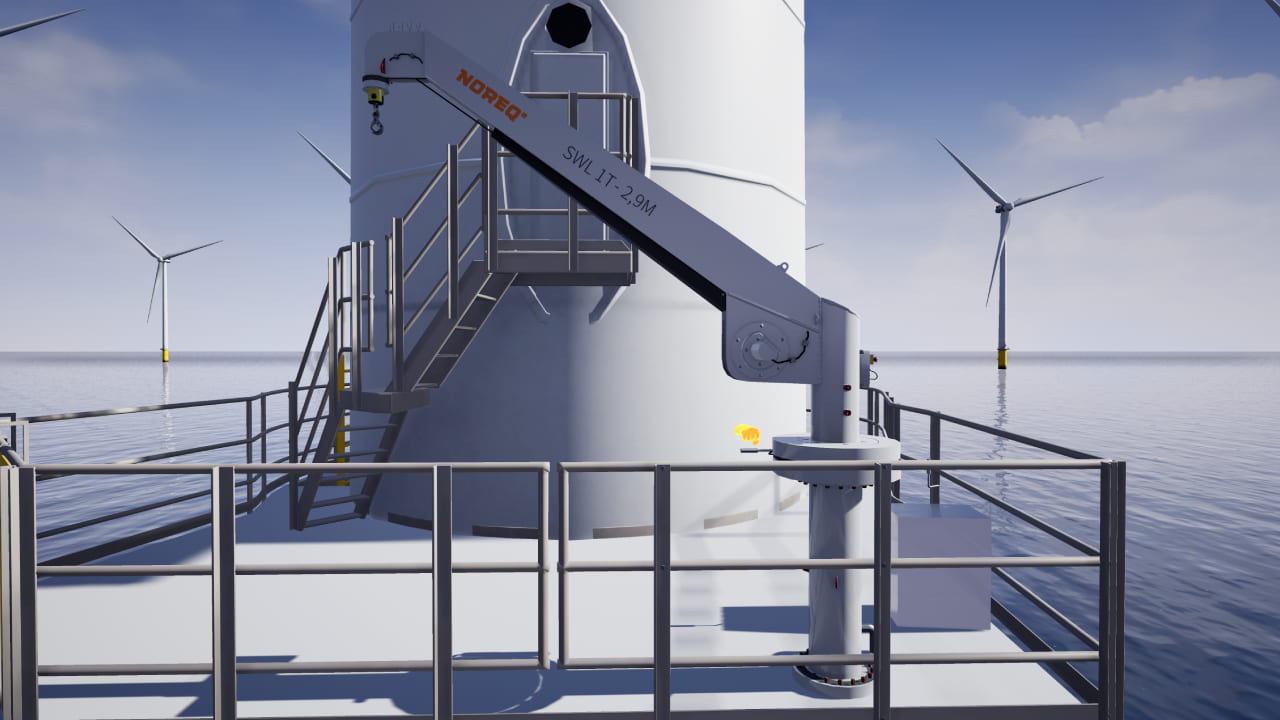
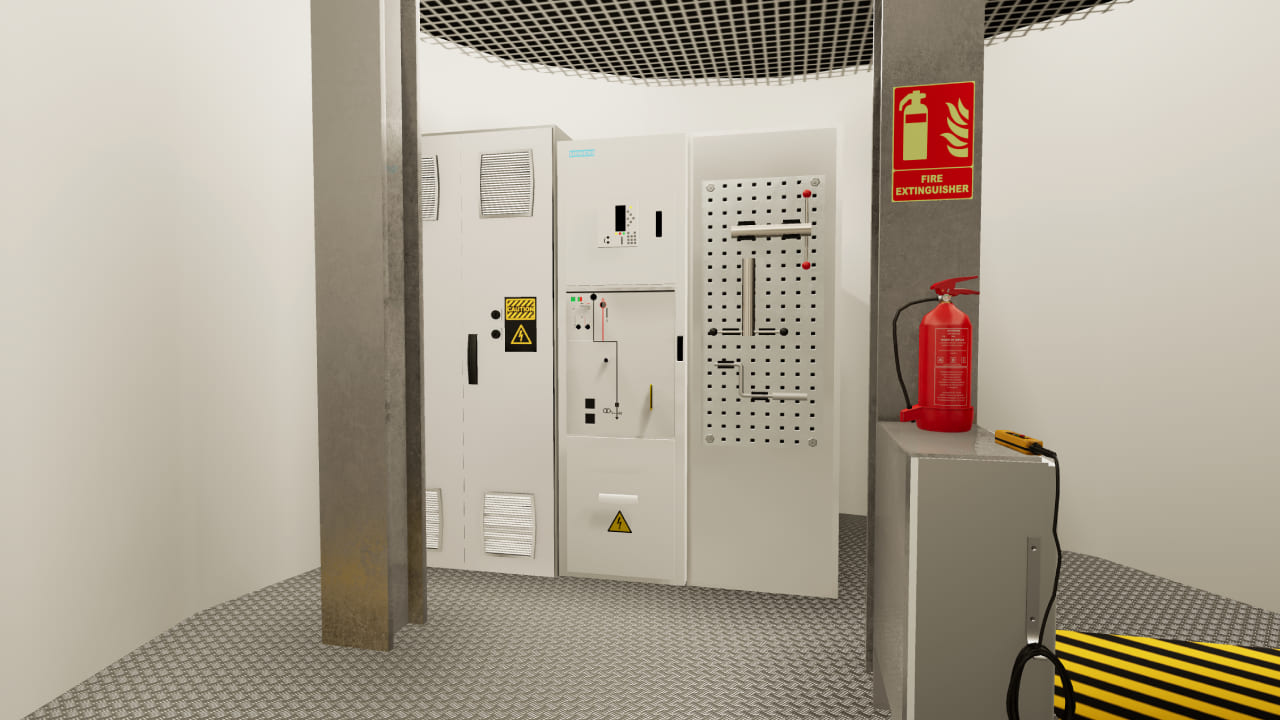
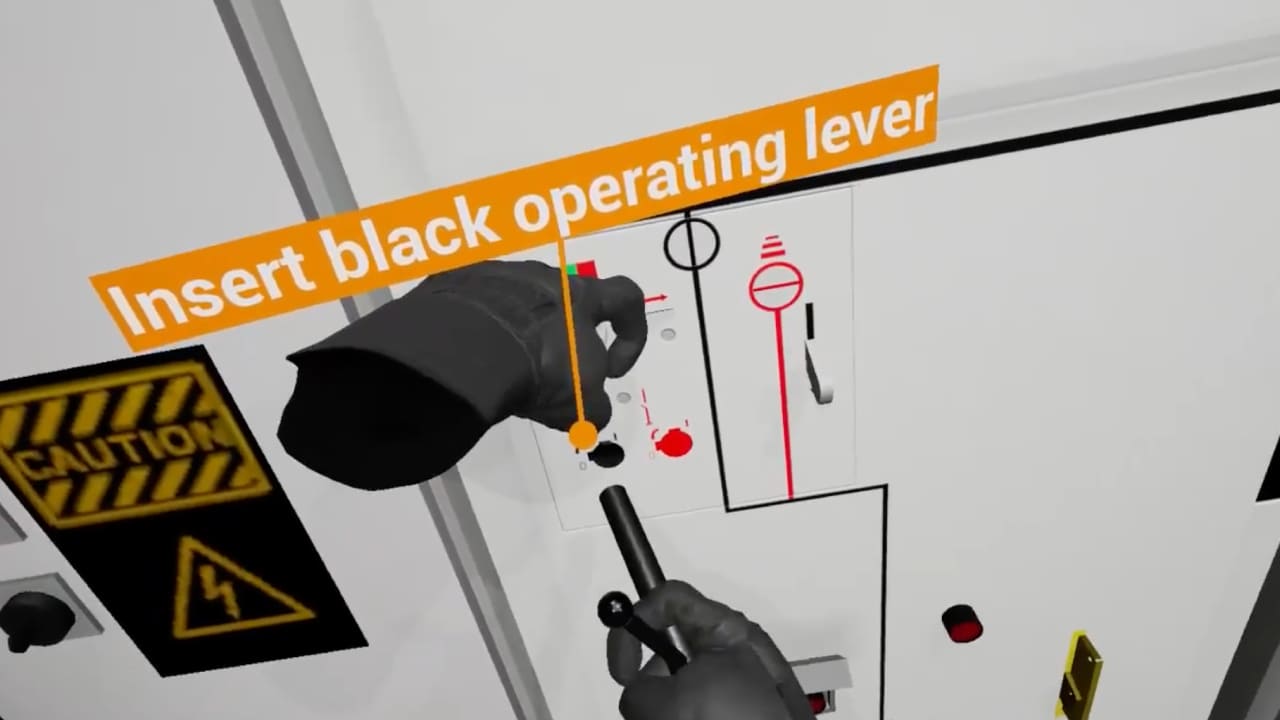
We have developed a virtual reality experience that places the operator at the centre of the action. The solution includes accurate simulations of crane operations from support vessels and detailed technical procedures inside the nacelle. Technicians can practise the exact sequence of opening circuit breakers, using operating levers and safety protocols on an exact digital twin of Siemens GIS equipment. A distinctive feature of this development is the integration of advanced two-handed interaction, allowing the simulation of complex activities that require the coordinated use of both hands simultaneously.
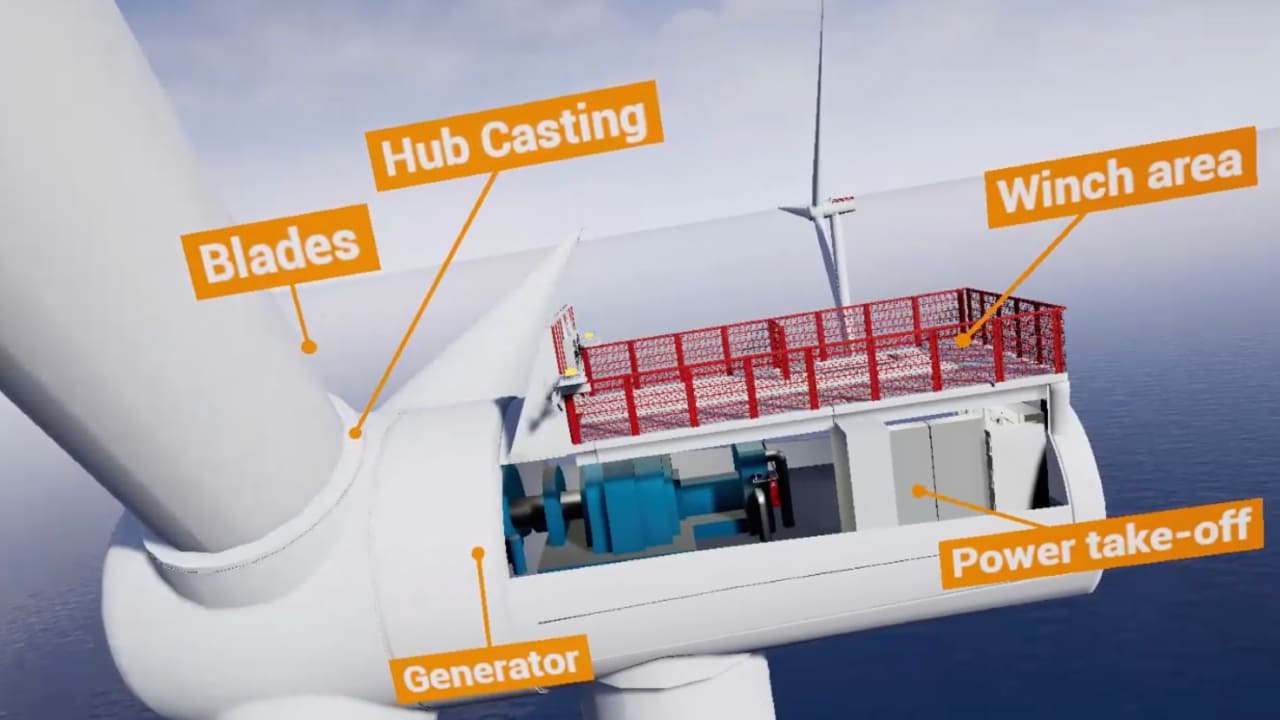
The platform allows users to view each component of the turbine: from the blades and generator to the power take-off system. Thanks to its interactive nature, users experience realistic responses when manipulating tools and controls, ensuring that knowledge transfer to the real world is immediate. This eliminates the learning curve at sea and allows manoeuvres to be repeated as many times as necessary until mastery is achieved.
Logistical costs of training and transfers
Rapid certification of specialised technicians
Reduction in accident risks during the training phase
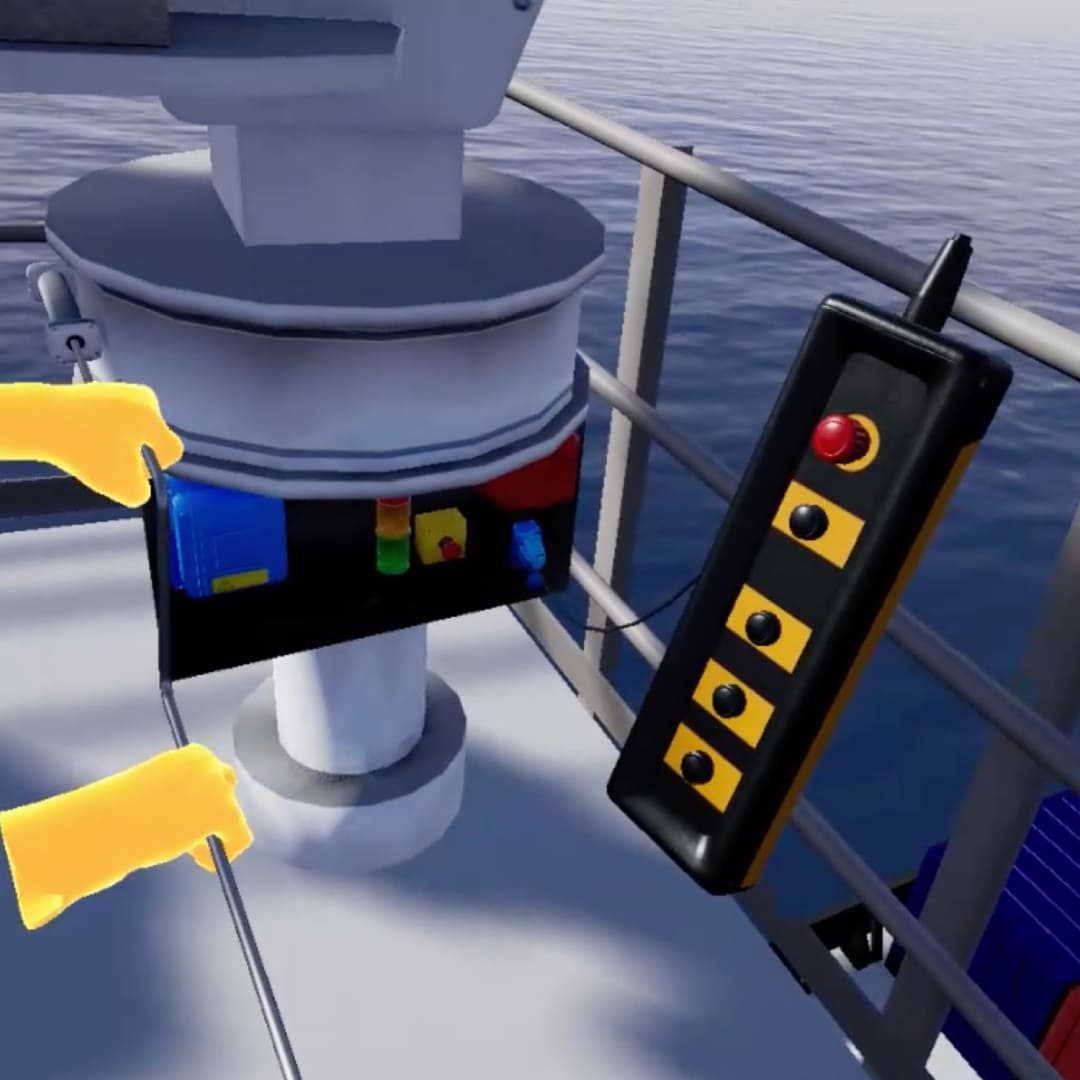
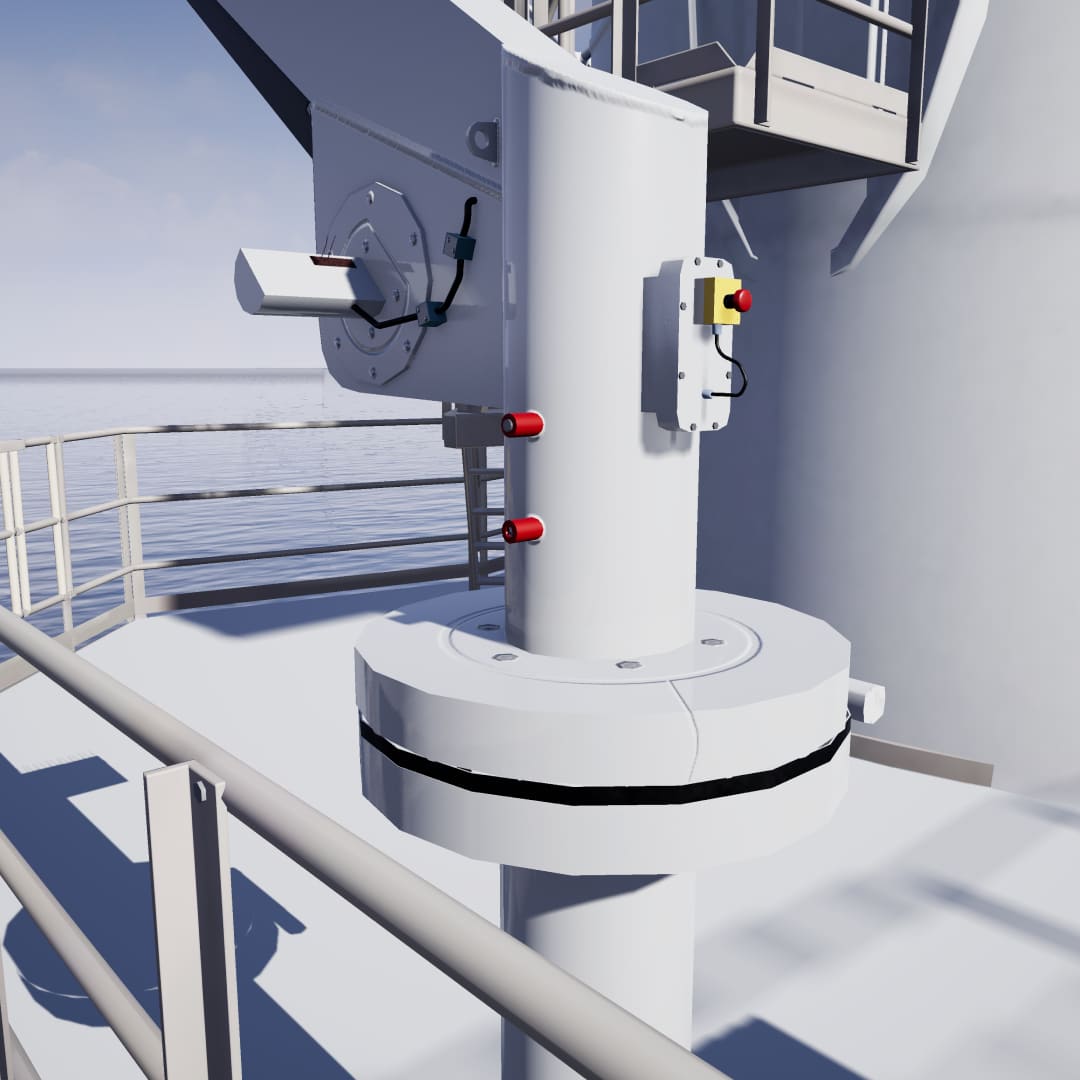
- High-fidelity modelling of Siemens GIS turbines and equipment for absolute realism
- Training in load coordination and crane operations in dynamic marine environments.
- Simulation of complex tasks that require the simultaneous use of both hands, such as the security locking/unlocking process.
- System designed for remote and multi-device training, facilitating global access to training
Key findings
The implementation of this virtual training has enabled Ørsted to optimise its preventive and corrective maintenance protocols. By mastering procedures in a virtual environment, technicians arrive on the offshore platform with greater confidence and technical competence, which drastically reduces operational errors and minimises turbine downtime.
In addition to improving safety, the project has proven to be a key tool in operational sustainability. Carbon emissions associated with unnecessary travel for training have been reduced, and continuous, on-demand training has been facilitated. This approach places Ørsted at the forefront of Industry 4.0 applied to renewable energy, ensuring a workforce that is ready for the challenges of the energy future.