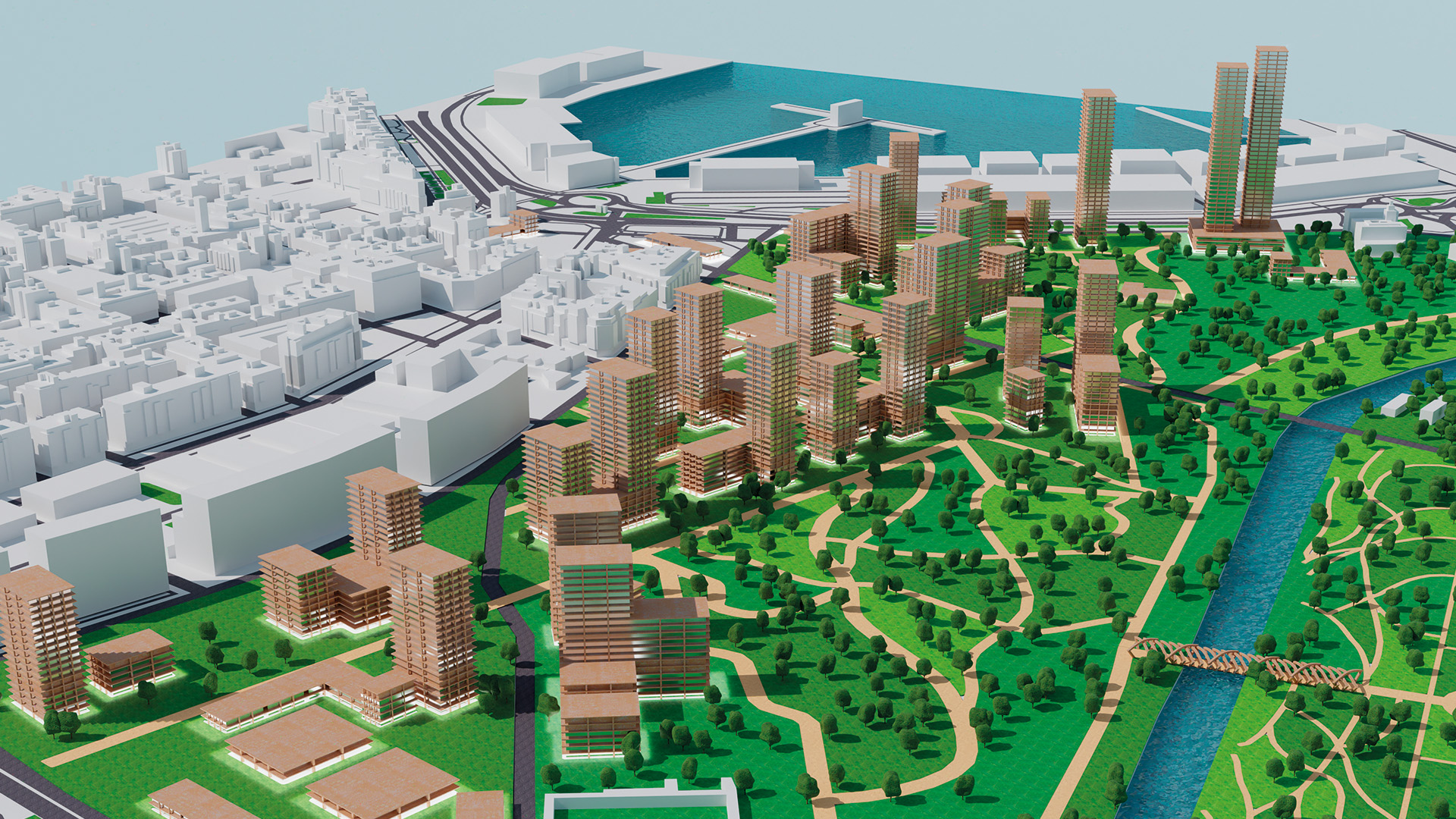
Tourism is undergoing a profound transformation: it is no longer just about travelling and visiting places, but about rethinking how, why and with what impact we do so. In this scenario, immersive tourism is emerging not only as an innovative technology, but also as a strategic tool that can drive more responsible, regenerative models aligned with a sustainable future in 2026 and beyond.
What is meant by sustainable tourism?
Sustainable tourism is much more than a trend or a marketing label: it is a comprehensive approach to tourism management that seeks to balance three fundamental pillars (environmental, social and economic) in order to minimise the negative impact of tourism and maximise its benefits for host communities and natural environments. According to the World Tourism Organisation (UNWTO), this type of tourism is characterised by considering “the current and future economic, social and environmental impacts of meeting the needs of visitors, the industry, the environment and host communities”.
In other words, it is an approach that not only protects natural resources, but also promotes social and cultural well-being and generates lasting economic opportunities without compromising the ability of future generations to enjoy the same destinations.
Sustainable tourism in 2026: an inevitable change of model
The drive towards sustainable tourism is not a passing trend, but a global strategic priority. Organisations and institutions around the world, such as the International Tourism Fair (FITUR), have included sustainability as one of the central themes of their agenda for 2026, emphasising the need to move towards practices that are more efficient, resilient and generate long-term environmental and social benefits.
Furthermore, recent studies show that demand for sustainable experiences is growing significantly among travellers. For example, this report by Booking points out that 74% of travellers plan to choose sustainable tourism options, reflecting that this form of travel is becoming a real expectation in the tourism market.
The conscious traveller as a driver of change
A key player in this transition is the conscious traveller: a more informed, discerning tourist who is committed to the impact of their decisions. This new generation of travellers not only seeks spectacular destinations, but also values environmental responsibility, respect for local communities and experiences that generate a positive impact beyond the immediate.
This traveller profile is driving profound change in the industry, leading operators, destinations and companies to rethink their offerings and adopt more responsible practices. It is no longer just about visiting a place, but about actively participating in a model of tourism that respects the environment and generates economic and cultural dignity for those who live there.
The major challenges of sustainable tourism that destinations must address
The transition to more sustainable tourism is not without its challenges. In fact, many destinations today face structural problems stemming from decades of unplanned tourism growth, which jeopardise both the environment and the visitor experience, as well as the quality of life of local communities. Identifying and addressing these challenges is an essential step in building more balanced and resilient tourism models.
- Tourist overcrowding and pressure on the territory: Uncontrolled tourism growth has led to an excessive concentration of visitors in limited spaces, in many cases exceeding the actual capacity of destinations. This pressure results in environmental degradation, loss of local identity and an increasingly unsatisfactory tourist experience for both residents and visitors.
- Environmental footprint of traditional tourism: According to industry data, tourism is responsible for approximately 8% of global greenhouse gas emissions, highlighting the urgent need to rethink current models. The dependence on long-distance travel and intensive use of infrastructure makes it clear that alternatives are needed to reduce the impact without slowing down tourist activity.
- Conservation of cultural and natural heritage: Many heritage sites and natural environments face a constant dilemma between conservation and public access. Intensive use, physical wear and tear, and lack of control put cultural and natural assets at risk, whose preservation is essential for their transmission to future generations.
- Accessibility, inclusion and the right to culture: Access to tourism and culture continues to be limited by physical, economic and geographical barriers. A sustainable tourism model must guarantee inclusive experiences that allow all people to enjoy cultural and natural heritage on equal terms.
How immersive tourism contributes to more sustainable tourism
Faced with these challenges, immersive tourism is positioned as a strategic tool capable of complementing and reinforcing sustainable tourism models. Far from replacing the physical experience, immersive experiences allow us to rethink how tourism is accessed, consumed and managed, offering concrete solutions to many of today’s challenges.
Thanks to virtual environments, digital recreations and immersive experiences, it is possible to reduce pressure on the territory, offer controlled access to sensitive spaces, preserve heritage through digitisation and democratise access to culture without generating a direct physical impact. In this way, immersive tourism not only expands the possibilities for experience, but also becomes a key ally in building a more balanced, responsible form of tourism that is prepared for the challenges of 2026.
Cases of application of immersive tourism in sustainable strategies
Immersive tourism is not just a technological innovation: it is a strategic tool for implementing more responsible and sustainable tourism models. By creating virtual environments and digital experiences, destinations can reduce their impact, preserve resources and generate inclusive experiences. Below, we explore some of the most relevant cases of practical application.
Historical heritage and responsible digital recreation
The digitisation of historical heritage allows monuments, buildings and cultural spaces to be accessible without physically overexploiting them. For example, virtual tours of historic cities or 3D recreations of archaeological sites allow visitors to explore and learn about their history without causing physical wear and tear or risking their conservation. In this way, heritage is protected while its reach and educational value are expanded.
Protected natural areas and controlled access
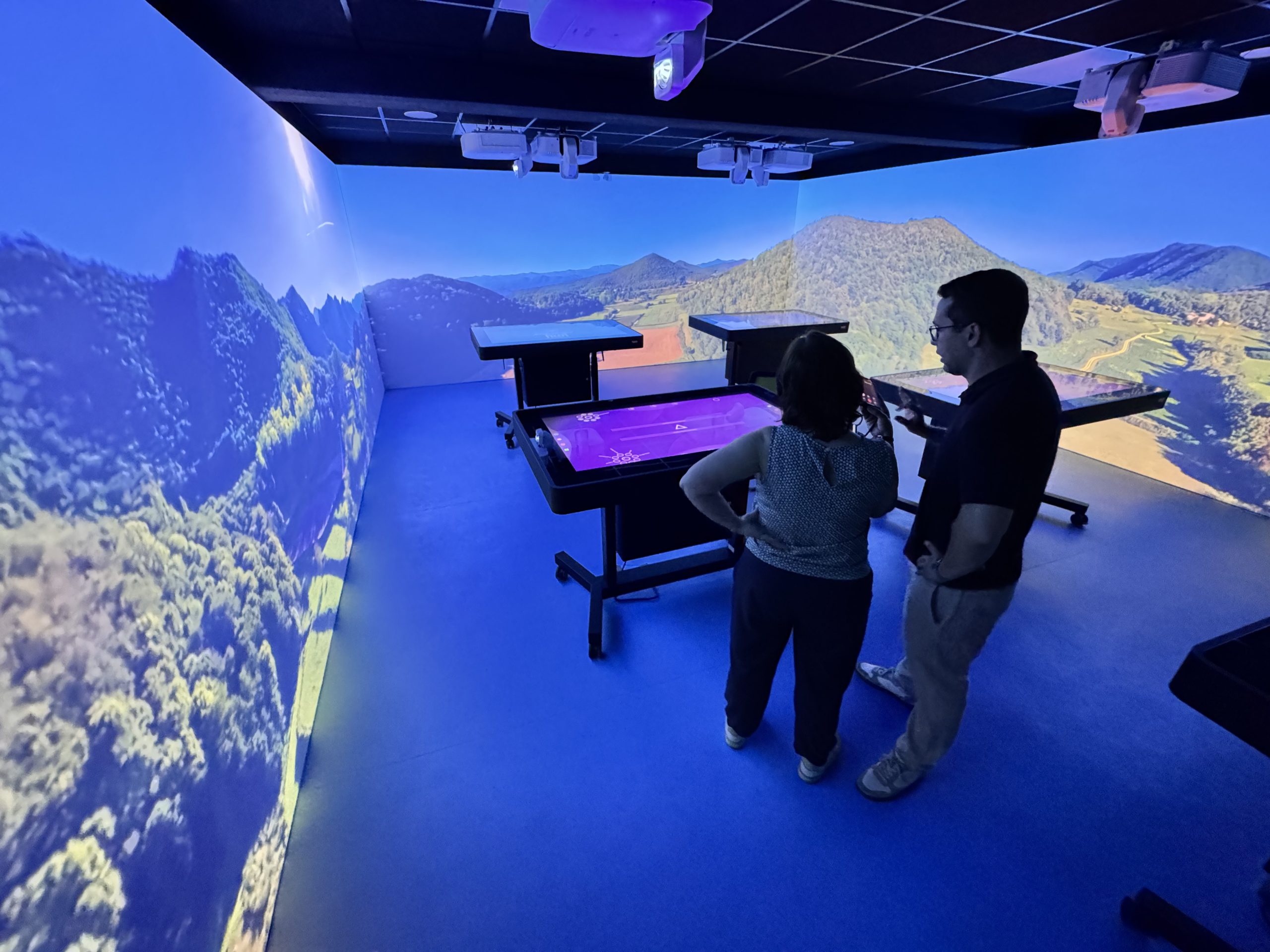
Fragile natural environments, such as national parks, reserves, or sensitive ecosystems, can benefit greatly from immersive tourism. Virtual simulations and digital tours allow users to enjoy these places without disturbing the flora, fauna, or ecological balance. They also help reduce overcrowding by offering alternative ways to explore that complement physical visits or even replace them in cases of high environmental sensitivity.
Scientific, cultural and educational tourism
Immersive tourism also has great potential in the educational and scientific fields. Research centres, observatories, museums and laboratories can offer interactive experiences that convey knowledge in an attractive and accessible way. Visitors learn about astronomy, biodiversity, history or art through virtual experiences that generate emotional impact and connection with the content, without compromising the integrity of physical resources.
Tourism events and campaigns with a lower carbon footprint
Trade fairs, exhibitions and promotional campaigns can be implemented digitally through immersive environments, reducing mass travel and associated emissions. For example, a virtual cultural festival allows thousands of people to participate without travelling, while organisers maintain a high level of interaction and engagement. This approach combines environmental sustainability with global visibility and reach, demonstrating that technological innovation can also be a driver of social responsibility.
Trends in immersive and sustainable tourism for 2026
Immersive tourism continues to evolve, and its integration with sustainability is shaping up to be one of the key pillars of the sector for 2026. Beyond technology, these trends reflect how destinations, businesses and travellers can generate economic, social and environmental value at the same time.
Virtual tourism as a tool for filtering demand
Virtual experiences allow travellers to explore destinations before physically visiting them, helping them make more informed decisions and reducing unnecessary visits or overload at popular destinations. This approach acts as a demand filter, balancing tourist flows, improving planning and reducing pressure on sensitive environments.
For example, an immersive tour prior to visiting a natural park can guide visitors towards less crowded routes, optimising the experience and reducing environmental impact.
Integration of immersive tourism in smart tourist destinations
Smart tourist destinations combine technology, sustainability and efficient resource management. Immersive tourism is integrated as a strategic component, providing data on visitor preferences, consumption behaviours and mobility patterns.
This information allows managers to optimise services, design sustainable itineraries and anticipate demand, while travellers enjoy personalised experiences without compromising the destination’s capacity. The trend suggests that, by 2026, digitalisation and sustainability will go hand in hand in smart destinations.
Hybrid (phygital) experiences focused on sustainability
Phygital experiences, which combine the physical and digital worlds, are gaining prominence as a model for sustainable tourism. This approach allows part of the experience to be enjoyed virtually, reducing the need for mass travel and preserving fragile environments, while physical interaction is reserved for low-impact activities or those with high educational and cultural value.
For example, a cultural festival can offer an immersive virtual tour of exhibitions or performances, while in-person attendees participate in select activities that do not overwhelm the space, balancing global reach and local sustainability.
Immersive tourism as a strategic ally of sustainable tourism
Immersive tourism is emerging as a key tool for moving towards a more sustainable tourism model in 2026, capable of reducing environmental impacts, protecting heritage and democratising access to culture and education. Far from being an isolated alternative, these digital experiences complement physical visits, optimise destination management and enable a measurable positive impact on communities and natural environments.
At Innoarea Projects, we design immersive experiences that integrate technological innovation and sustainability criteria, helping destinations, institutions and companies adapt to the demands of conscious travellers and consolidate responsible strategies that make a difference. With our solutions, the tourism of the future is not only experienced, but enjoyed in an ethical, accessible and sustainable way.