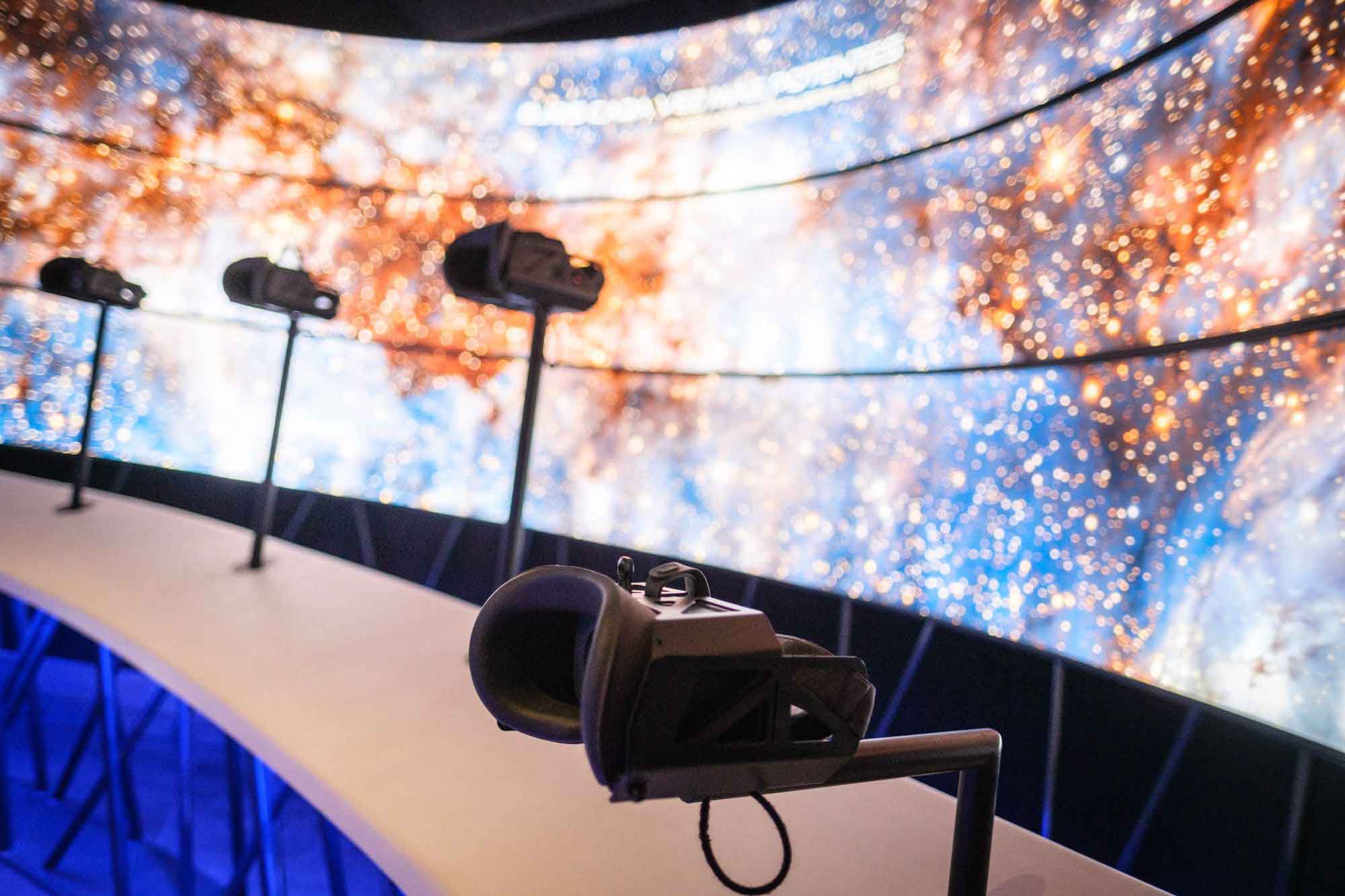
In today’s digital age, museums are evolving rapidly to incorporate emerging technologies that enhance the visitor experience and make their exhibitions more interactive and engaging. In the following article, we will explore how new technologies can benefit culture and tourism, and how these innovations are revolutionising the world of museums.
How new technologies are driving innovation in museums
Emerging technologies are rapidly transforming the way museums operate and engage with their audiences. These innovations offer unique opportunities to enhance the visitor experience, make collections more accessible and attract a wider and more diverse audience.
One example of technology currently being used in museums is augmented reality (AR). Augmented reality enables visitors to use their mobile devices to view additional information about the exhibits, creating an enriched experience with digital content superimposed onto the real world.
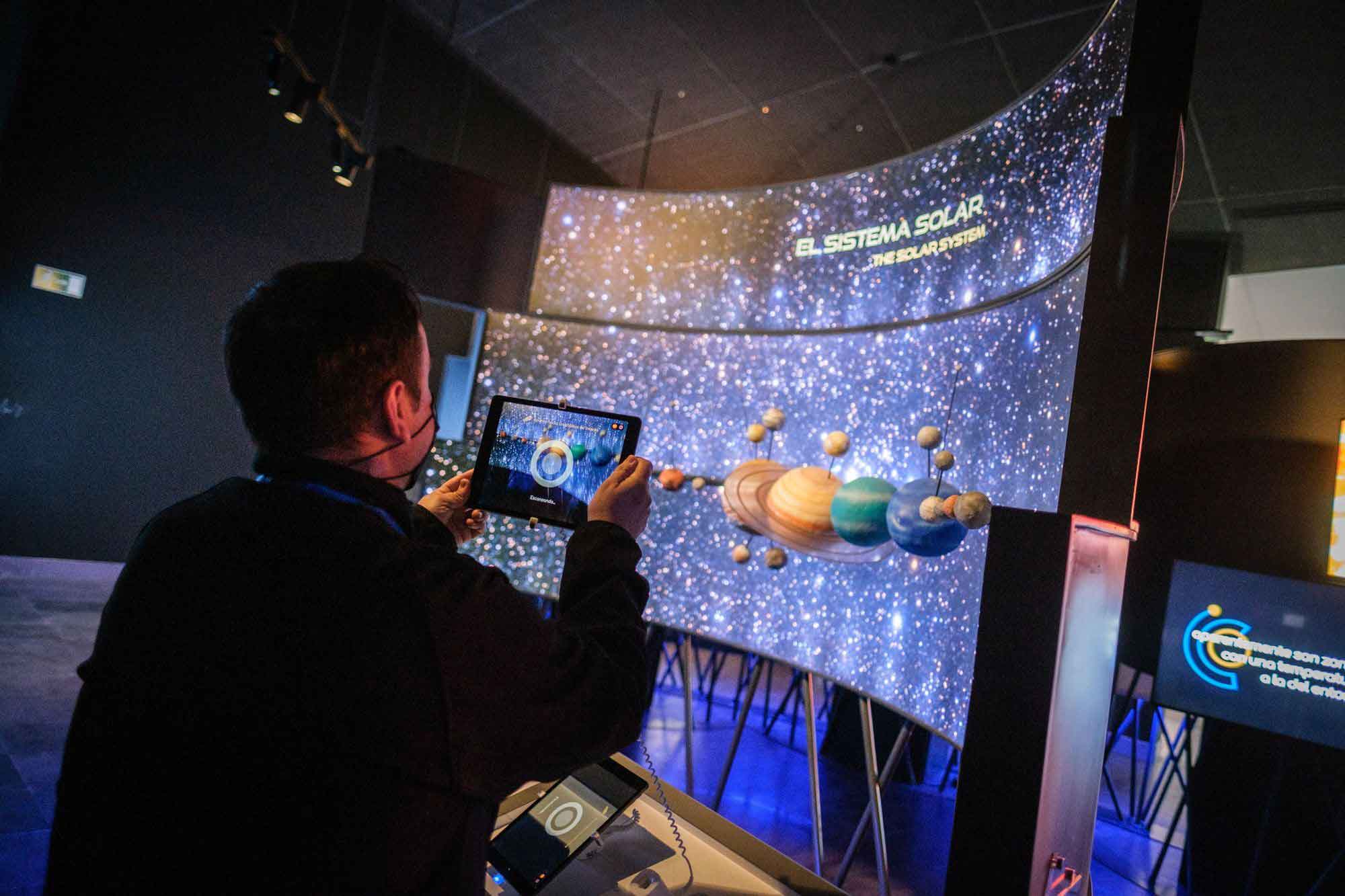
Another example is artificial intelligence (AI), which is being used to personalise visits by analysing behavioural data to offer recommendations and interactive guides based on the user’s interests. The Internet of Things (IoT) creates smart environments within the museum, with sensors that monitor environmental conditions and track visitor flow to optimise the visitor experience and the conservation of the collections.
There are a multitude of technologies being applied in this sector; however, we can see that multisensory experiences stand out.
These are taking exhibitions beyond the visual, engaging other senses such as sound and touch to create immersive and enveloping experiences.
Virtual reality in museums
Virtual reality (VR) is another technology that is revolutionising the way museums present their collections and tell their stories. Here we explain how this technology is transforming the visitor experience:
- Immersive experiences: VR allows visitors to immerse themselves in completely new environments, offering an immersive experience that goes beyond traditional exhibitions. For example, visitors can explore ancient civilisations, walk through the streets of a historic city or even step inside famous works of art.
- Accessibility: VR can make museums more accessible to people with physical disabilities or geographical constraints.
- Interactive learning: VR enables students to take part in expert-led virtual tours, attend workshops and learn about a range of topics in a practical and interactive way.
- Audience engagement: VR experiences tend to be highly engaging and can attract a younger, tech-savvy audience. This can help museums expand their visitor base and foster greater interest in their exhibitions.
- Data collection: VR experiences can be integrated with data analytics systems to gather information on how visitors interact with the exhibitions. This can provide valuable insights for improving future presentations and personalising the visitor experience.
Virtual Reality at the City of Arts and Sciences
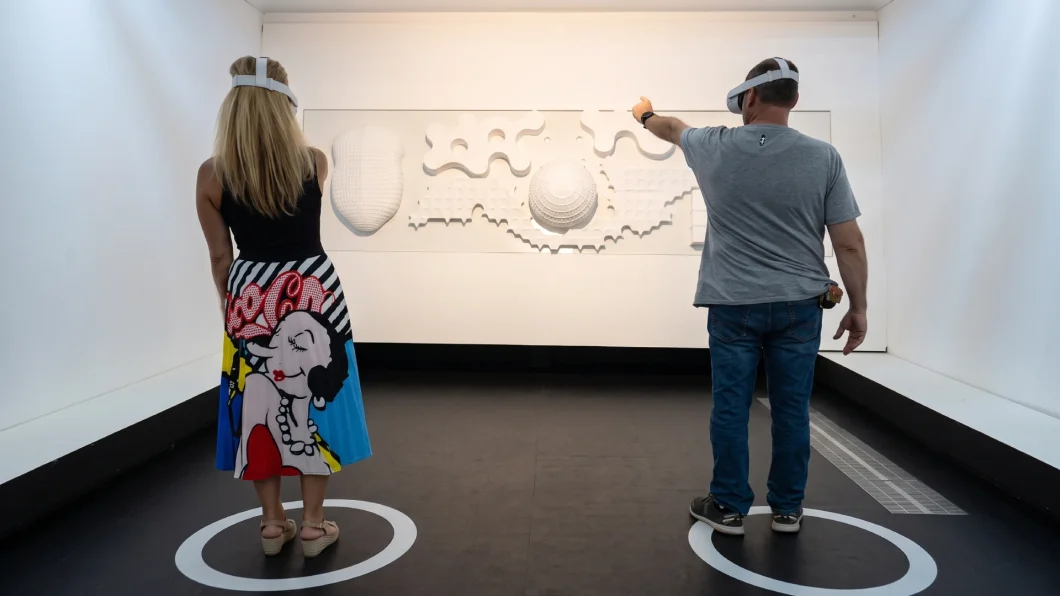
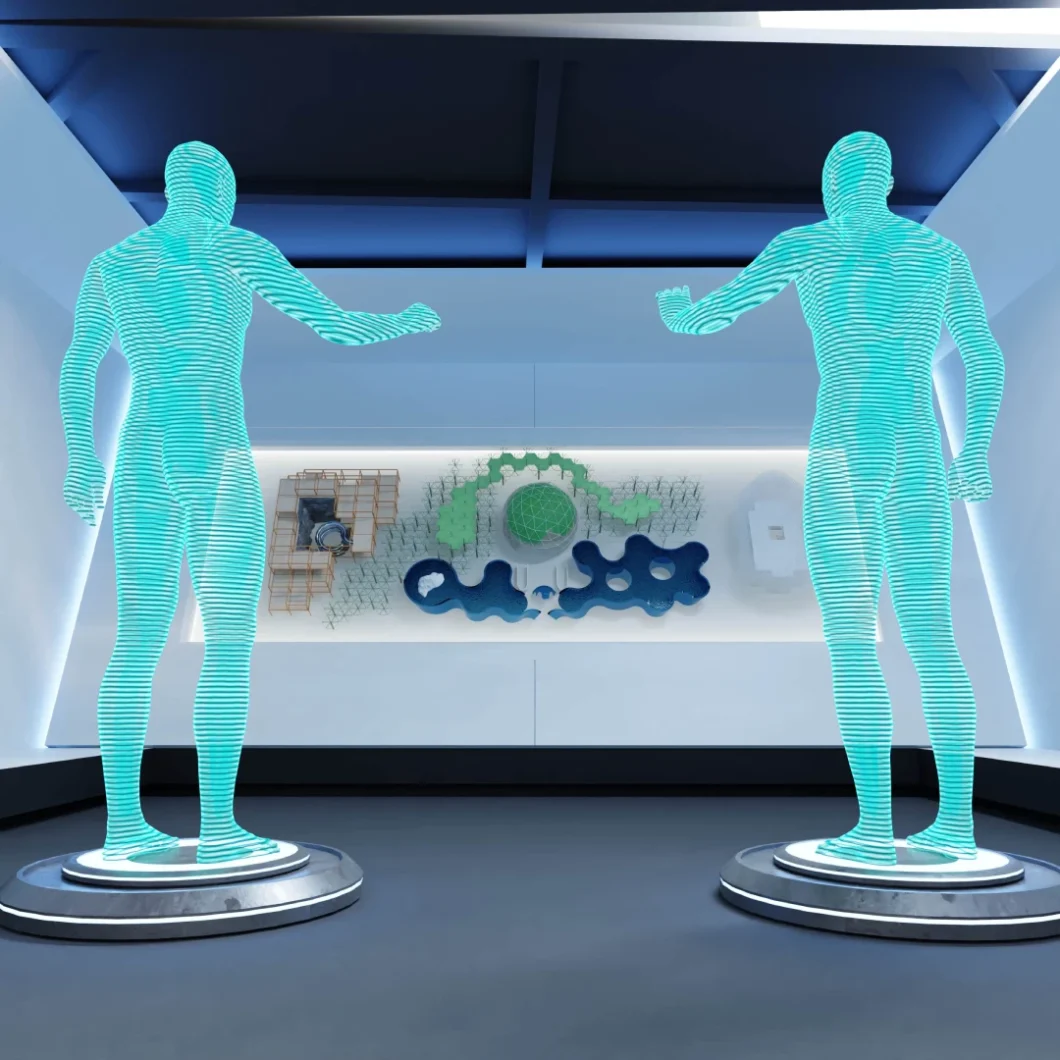
The Museum of Arts and Sciences in Valencia has taken a step forward in innovation with the Terra Extraordinària exhibition, incorporating two interactive applications designed by Innoarea Studios: an interactive screen and a virtual reality (VR) experience. You can find out more about the project here.
The virtual reality experience offers visitors an immersive journey divided into several stages. It begins with explanatory screens and moves on to interactive sections. In this virtual environment, visitors can visualise what the museum’s future will look like before the refurbishment takes place.
Furthermore, the interactive screen offers visitors the chance to play an active part in the exhibition by answering questions about their views on the new exhibition’s concept. This feature not only engages visitors, but also gathers valuable data on their experience.
The overall aim of this project is to enhance the museum experience by providing an immersive, educational and memorable exploration of Terra Extraordinària. However, the challenge lies in the technical complexity of developing and maintaining these interactive applications, whilst ensuring smooth transitions, high-quality animations and system compatibility.
The impact of technology on the visitor experience
These technological innovations not only enhance the way in which exhibitions are experienced and enjoyed, but also offer new opportunities for learning and engagement.
Virtual reality, for example, allows visitors to immerse themselves in virtual environments that simulate historical settings or recreate museum exhibits in 3D. This immersion creates a deeper and more personal experience, enabling users to explore details that might otherwise go unnoticed.
Interactive displays, for their part, encourage active participation. By answering questions or interacting with the exhibition content, visitors become part of the educational process, which can increase their interest in and engagement with the material on display. This type of interaction not only makes the visit more entertaining, but also provides valuable feedback on how visitors perceive the exhibitions.
Furthermore, these technologies can attract a younger, tech-savvy audience, helping museums to diversify their visitor base. The ability to incorporate elements of play and interactive learning makes visits more engaging and memorable, fostering a deeper emotional connection with the content.
The future of immersive technologies in museums
The future of immersive technologies in museums promises an exciting and ongoing transformation. The integration of tools such as virtual reality, augmented reality and interactive experiences is revolutionising the way visitors experience art and culture.
As we move forward, we are likely to see even more developments in the personalisation of visitor experiences, with technologies that will enable greater interaction and adaptation to individual interests.
At Innoarea, we are committed to helping museums explore and adopt the latest innovations. If you’re interested in transforming your visitors’ experience and taking your museum to the next level, please don’t hesitate to contact us. We’re here to offer you creative and technological solutions that will make every visit an unforgettable experience.