
Tourism is no longer experienced solely at the destination; it begins long before the journey. Users seek to explore, compare, and experience places from their screens, and traditional formats are no longer sufficient.
Digitisation and technologies such as Gaussian Splatting are opening the door to much more realistic, interactive and immersive cultural and tourist experiences. Monuments that can be visited online, museums accessible from any device and destinations that can be discovered as if you were already there. Here we explain everything about this trend.
The leap from museumisation: From static object to living environment
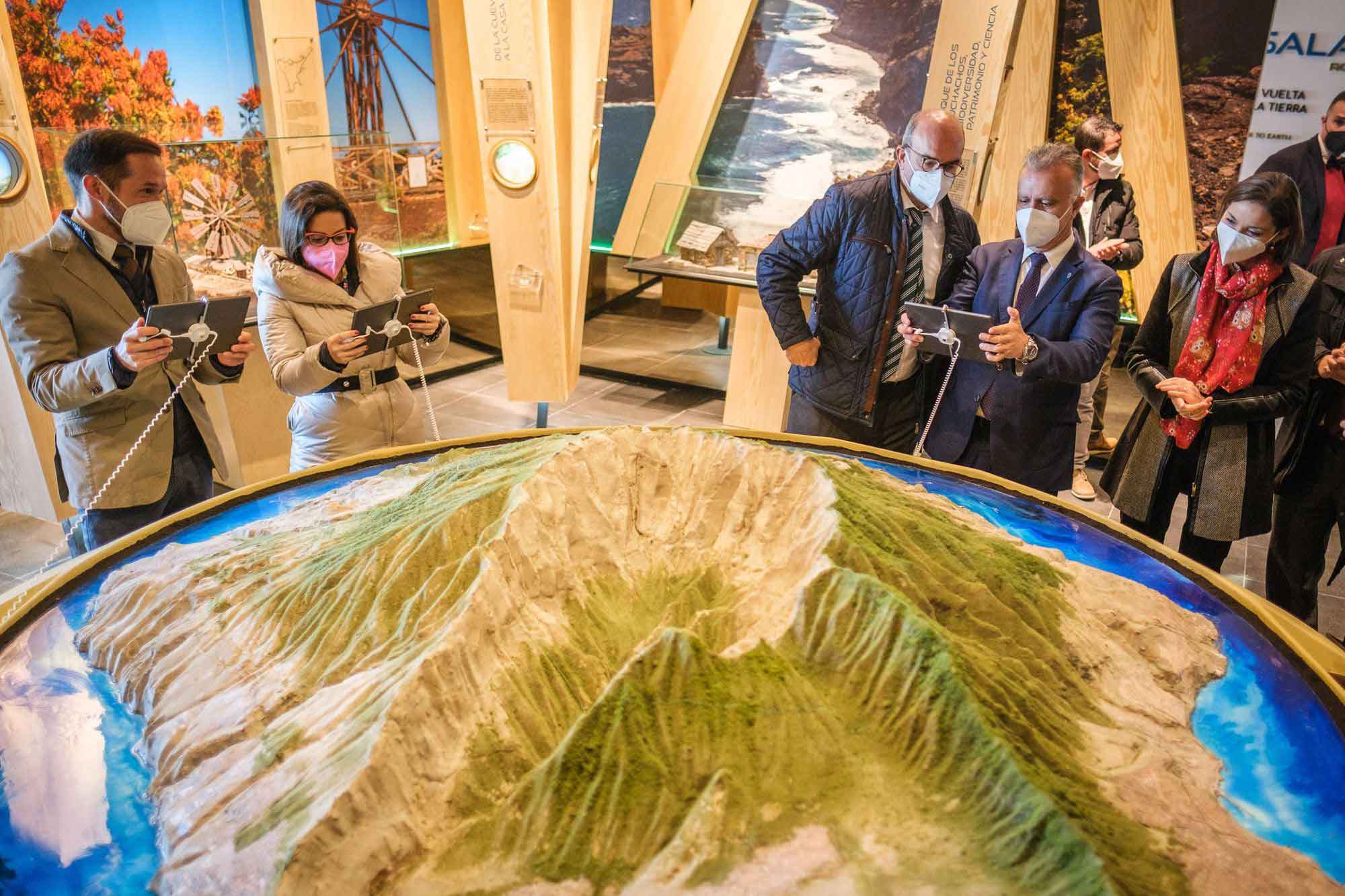
For decades, traditional museum displays have relied on glass cases, information panels and physical tours limited by space and time. Although effective, these formats turn heritage into something static: pieces that are observed but with which there is little interaction. Today, 3D technology is changing that paradigm.
Thanks to volumetric capture and advanced digital reconstruction techniques, cultural spaces can be transformed into living, explorable, and interactive environments. Instead of viewing a photograph of a monument, visitors can freely explore it. Instead of imagining what an archaeological site was like, they can walk through it digitally. Content is no longer passive; it becomes an experience.
How does 3D realism help preserve historical heritage?
3D digitisation of heritage is not just a communication or marketing tool; it is also a powerful conservation strategy.
Photorealistic capture of monuments, historic buildings, or archaeological sites allows for the creation of high-precision digital replicas that document the exact state of a cultural asset at a specific moment in time. This facilitates:
- Record architectural details and materials with great accuracy
- Monitor deterioration or possible damage over time
- Plan restorations with more accurate information
- Digitally preserving fragile or hard-to-reach spaces
- Democratising access without compromising physical preservation
Furthermore, these models can be used for educational and informational purposes, reducing tourist pressure on sensitive areas and promoting more sustainable cultural consumption.
Why use Gaussian Splatting instead of traditional 3D models?
Although photogrammetry and standard 3D modelling have been useful, Gaussian Splatting offers competitive advantages that make a difference in the tourism sector:
- Extreme visual fidelity: While traditional 3D models often appear “flat” or artificial, this technology captures real lighting, reflections, and complex textures with astonishing accuracy.
- Emotional impact: The hyper-realistic level of detail creates an immediate emotional connection, transporting tourists to the destination in a way that conventional polygon meshes cannot achieve.
- Efficient visualisation: It allows complex and detailed environments to be represented that are easy to explore from various angles, improving the end user experience.
Tourism marketing: The photorealistic digital showcase
In a hypercompetitive global market, tourist destinations need disruptive solutions that fuse creativity and technology to generate an unforgettable visual impact. Gaussian Splatting allows you to create unique brand experiences that break with convention, immediately capturing the user’s attention.
At Innoarea, we position companies at the forefront of technology through innovative visual formats that transform traditional advertising into a photorealistic digital showcase.
How can a tourist destination increase its sales?
The answer lies not only in attracting more traffic, but in generating more intent to visit.
Immersive experiences directly influence travellers’ decision-making because they reduce uncertainty and increase confidence. Being able to take a virtual tour of a museum, stroll through a historic square or discover a cultural route in 3D helps users imagine themselves there.
This translates into very specific benefits:
- Longer time spent on the destination website
- More interaction and brand recall
- Increase in reservations and advance ticket purchases
- Better performance in promotional campaigns and tourism fairs
- Differentiation from other competing destinations
In short, 3D is not just a visual tool: it is a lever for conversion.
The key: Build an emotional connection with the tourist before they travel
Travelling is, above all, an emotional decision. We choose destinations based on how they make us feel: history, beauty, surprise, nostalgia, adventure. That’s why the more intense the previous experience, the greater the connection with the place.
Volumetric recreations and environments captured with Gaussian Splatting allow you to evoke that emotion from the very first click. Seeing a photo of a castle is not the same as being able to walk up to its walls, observe the details of the stonework, or take in the views. That feeling of “being there” creates anticipation, memories, and desire. Once tourists have experienced the destination virtually, a physical visit becomes the natural next step.
Innovation and accessibility in the cultural sector
Immersive digitisation is not only transforming tourism marketing; it is also opening up new opportunities for inclusion and cultural democratisation.
Museums, monuments, and historical sites often present physical, geographical, or economic barriers that limit access to some members of the public. Accessible 3D experiences from any device remove many of these restrictions and allow heritage to reach a much wider audience.
This facilitates:
- Remote visits for people with reduced mobility
- Access from rural areas or other countries
- Interactive educational resources for schools
- Reducing the impact of tourism on fragile or protected areas
- Adaptable content with layers of information, audio or digital guides
In this sense, technology does not replace in-person visits: it complements and enhances them. The result is a more sustainable, inclusive cultural model that is ready for new generations of digital visitors.
Practical applications in the tourism sector
The versatility of Gaussian Splatting transforms any cultural or tourist space into a complete digital experience. Here are some of the most notable applications:
Virtual tours of monuments and historical sites
Virtual tours allow users to explore castles, museums, and archaeological sites as if they were there. Unlike traditional videos or photographs, photorealistic 3D models generated with Gaussian Splatting offer free navigation, precise details, and a sense of presence, bringing history and architecture closer to all audiences.
Promotion of cultural routes and less accessible destinations
Many tourist destinations are limited by location, visitor capacity, or the fragility of their heritage. 3D digitisation opens the door to interactive virtual tours, allowing users to discover remote or inaccessible places, generating interest prior to a physical visit and promoting more sustainable and conscious tourism.
Integration with web, apps, and mobile augmented reality
Models created with Gaussian Splatting are lightweight and optimised for integration into multiple digital platforms. From interactive web tours to mobile app experiences and augmented reality projects, visitors can access heritage content from any device, increasing coverage, interaction and user satisfaction.

3D models for tourism marketing and social media
In addition to their educational and cultural value, photorealistic 3D models are a powerful resource for marketing and promotion. They can be shared on social media, integrated into digital campaigns, and used to generate interactive content that stands out from traditional images, increasing engagement and visibility for tourist destinations in an innovative way.
The future of immersive tourism with Gaussian Splatting
Digital transformation in the cultural sector is not an option for the future, it is the present. Gaussian Splatting has arrived to redefine the standard of quality, allowing institutions and tourist destinations to position their brand at the forefront of technological innovation.
At Innoarea, we understand that the real value of technology lies in its ability to create lasting emotional connections and transform complex challenges into competitive advantages. With over 200 projects successfully delivered in more than 13 countries, we are the ideal technology partner to take your project to the next level of realism.
The future of tourism is immersive, photorealistic and accessible. Shall we make your destination the next one to leave its mark?